
Speak DIRECTLY to us and help our girls!
The International Labor Organization (ILO) conservatively estimates that 3.8 million adults and 1 million children under the age of 18 are currently under forced sexual exploitation. 99% of them are women and girls. 73% of all the victims are from Asia.
Human trafficking is the main reason for this huge number. 74% of all victims of forced sexual exploitation live outside of their country of birth. The United Nations (UN) estimates that human trafficking generates USD 32 billion per year. 85% of this amount comes from human trafficking for sexual exploitation purposes.
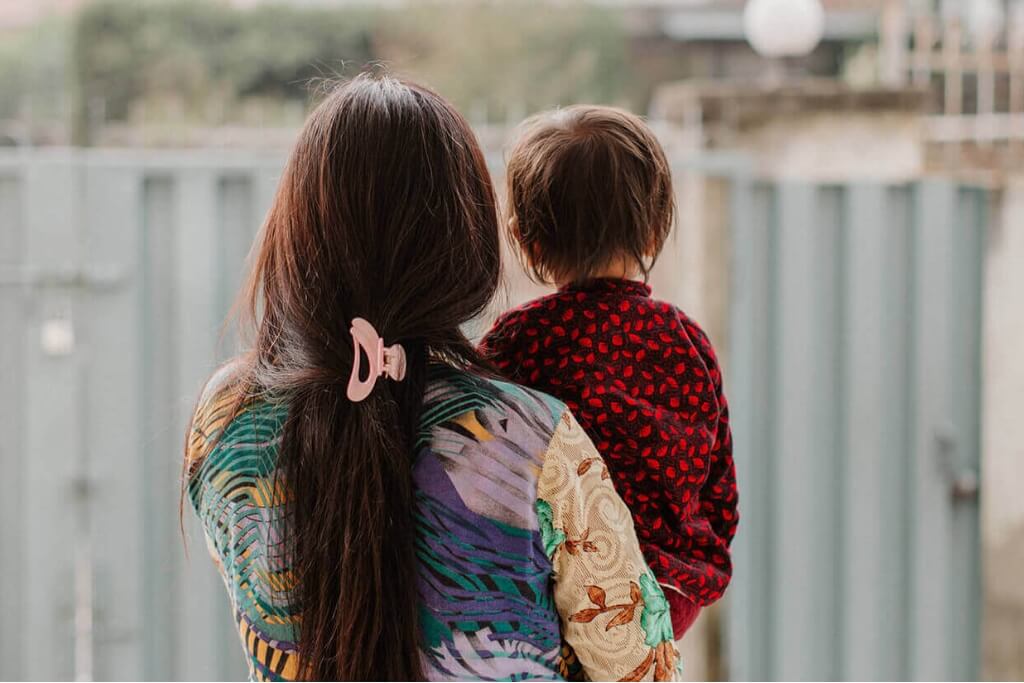
Human trafficking in Nepal affects mainly women and children, who are often taken to India, the Middle East, and other Asian countries, where they are forced into prostitution, domestic work, begging, or slave labor. Most victims are trafficked for sexual exploitation, with about 12,000 women and children taken to India each year. Nepalese girls are often targeted because their physical features and lighter skin are considered desirable, increasing demand in the prostitution market.
Reports indicate that about 200,000 Nepalese women, many of them under 18, are in brothels in India. Studies have found that around 20% of girls in red-light districts are minors, while other organizations estimate the number could be as high as 60%. Data from international reports also shows that 36% of trafficked people are children, most of them girls.
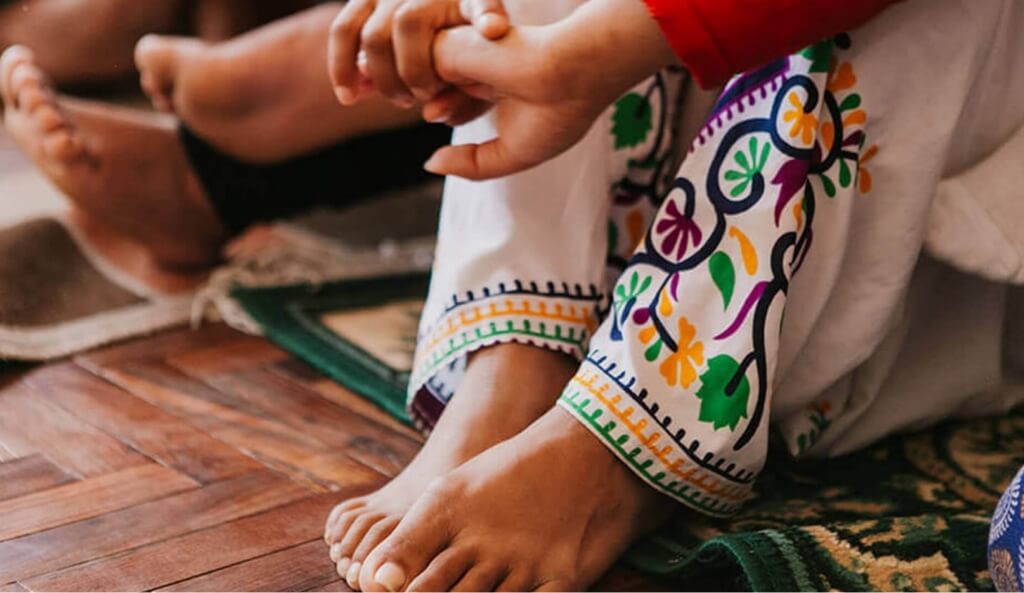
With large families having limited resources to meet basic needs, many parents become easy prey for traffickers. When offered money and promises of education for their children, many parents fall for the trafficker’s lies.
In many poor communities in Nepal, family relationships can be distant, especially in large households with many children. Society is strongly patriarchal, with men holding the central role, while women and girls often have a secondary position within the family and community. In some regions, the birth of girls is still seen negatively, reflected in sayings that show they are less valued. Because of this, the government has taken measures such as prohibiting the identification of a baby’s sex during ultrasound exams in an effort to reduce female abortion and protect girls.
More than 80% of Nepal’s population is Hindu, and in some cultural interpretations of these beliefs, suffering may be seen as related to karma. Because of this, some people believe that interfering in another person’s hardship could affect their spiritual path. These ideas, although not always based on official religious teachings, can influence attitudes in society and lead to less compassion toward girls who are victims of exploitation, as their situation may be viewed as something they are destined to go through.
This factor is also linked to the economics. Poor families in the villages are easily deceived with false promises of those men or women that are presented to them as good people.
Cambodian children are highly vulnerable to human trafficking, and many are exploited both in the country and abroad. Girls are often taken from rural areas with false promises of work or education and forced into brothels, massage parlors, domestic work, factories, fishing boats, or begging, with sexual exploitation being one of the main purposes.
Victims are trafficked to countries such as China, Thailand, and Malaysia. Children are especially targeted, and some in brothels are under 10 years old, often growing up in environments that lead them into exploitation at an early age. Discrimination based on skin color also increases demand for certain girls.
The country faces serious social and health problems, with reports showing that about 1 in 5 Cambodian women died from pregnancy-related causes in the years prior to a national survey, many linked to unsafe abortions, highlighting the high level of vulnerability among women and girls.
With large families and without resources for the minimum survival, many parents in poverty become easy prey for traffickers who offer a big amount to take children and youth.
Relationships in most Cambodian families tend to be colder than what we experience in Western or Latino culture, especially poorer families with many children. Many Cambodians do not value affection in their relationships, they relate and interact superficially; there is no warmth in your relationships. Often there is no practice of sharing between parents and children, husbands and wives, and so on. Society is extremely linked to age, where the older ones have reason and the truth, and the younger ones must submit.
Despite being a matriarchal society, women continue to suffer from certain parts of the culture. Culturally, young people and especially the oldest child have the obligation to support their parents when they are already “able to work”, and this situation generates a point of family imbalance since the young woman, in order not to be ashamed of not being able to fulfill her role as a daughter is vulnerable to seeking any type of job and is more easily deceived, and the parents, in return, accept any type of profession that the daughter is led to have, in the face of monetary need.
This factor is also linked to the economics. Poor families in the villages are easily deceived with false promises of those men or women that are presented to them as good people.
Girls who are trafficked to brothels often arrive already in debt for transportation, food, and other expenses, and this debt keeps increasing, making it almost impossible for them to leave. The money they earn is usually taken by the brothel owners, forcing them to remain in exploitation. Many are under constant surveillance and threats, which makes escape very difficult. They may be forced to attend multiple clients per day, often without proper food or medical care, leaving them vulnerable to violence, disease, and infections. Due to lack of prevention and information, many girls become seriously ill at a young age, and some die from illness, abuse, or while trying to escape.
In environments affected by prostitution, many children grow up exposed to exploitation from an early age, especially when their mothers are involved in this work. Without access to safer opportunities, some begin begging as small children and become vulnerable to exploitation as they grow older. In human trafficking networks, younger victims are often targeted because they are seen as more valuable, which increases the risk for children and teenagers. Many are deceived with false promises and end up trapped in situations of severe abuse, where they are treated as objects for profit and gradually lose any chance of a normal life.